The Conversation Every L&D Leader Has Had
An L&D manager walks into a budget meeting. The CFO has the training spend on the screen. “Walk me through what we got for this.” The L&D manager pulls up a slide of course completions and a note that three cohorts had to be rescheduled because a venue double-booked and a trainer flew out sick with no backup identified in time.
The CFO isn’t just questioning the learning outcomes anymore. They’re questioning why an entire team spends its week doing things a system should be doing automatically, chasing room bookings, resolving trainer conflicts, re-sending calendar invites, and manually stitching together who attended what. That’s not an L&D failure. It’s an operating model failure. And it’s exactly what AscentPath.AI was built to solve.
The Real Bottleneck Isn’t the Content; It’s the Coordination
Most conversations about “AI in L&D” jump straight to content: adaptive courses, recommendation engines, and personalized modules. Useful, but they miss where the actual hours go. Ask any training coordinator where their week disappears, and the answer is rarely “designing curriculum.” It’s scheduling. It’s chasing trainer availability across time zones. It’s manually building the same multi-session program for the fifth region this quarter. It’s answering the same “when’s my next session” question forty times a day.
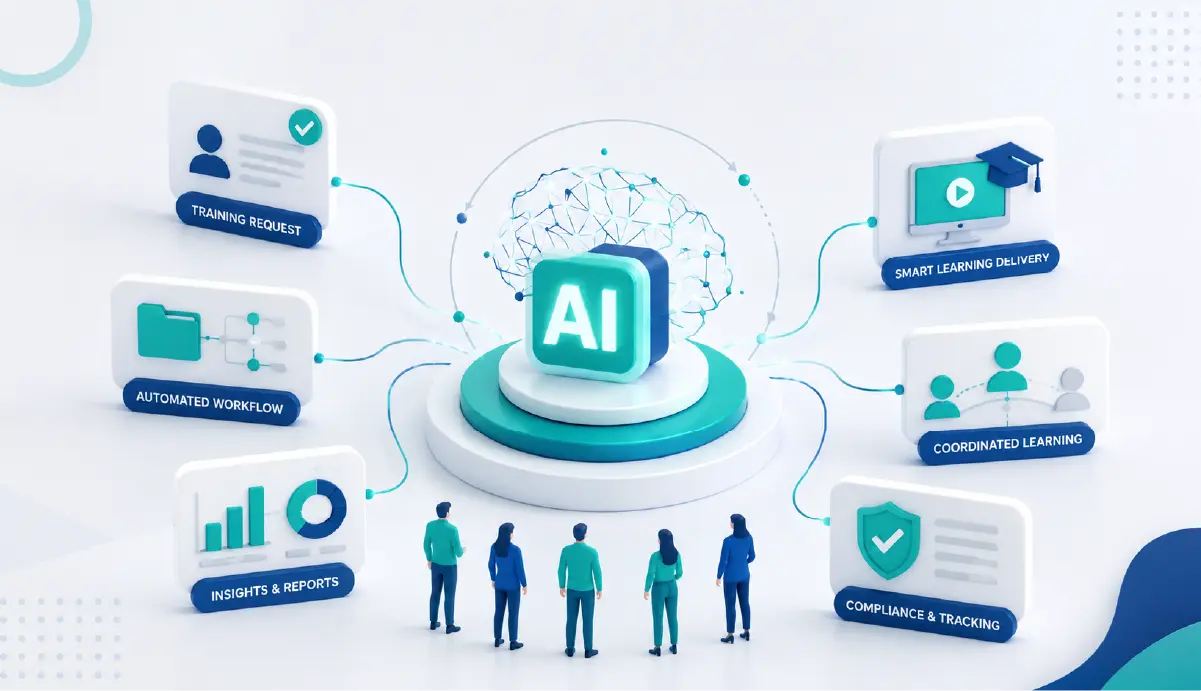
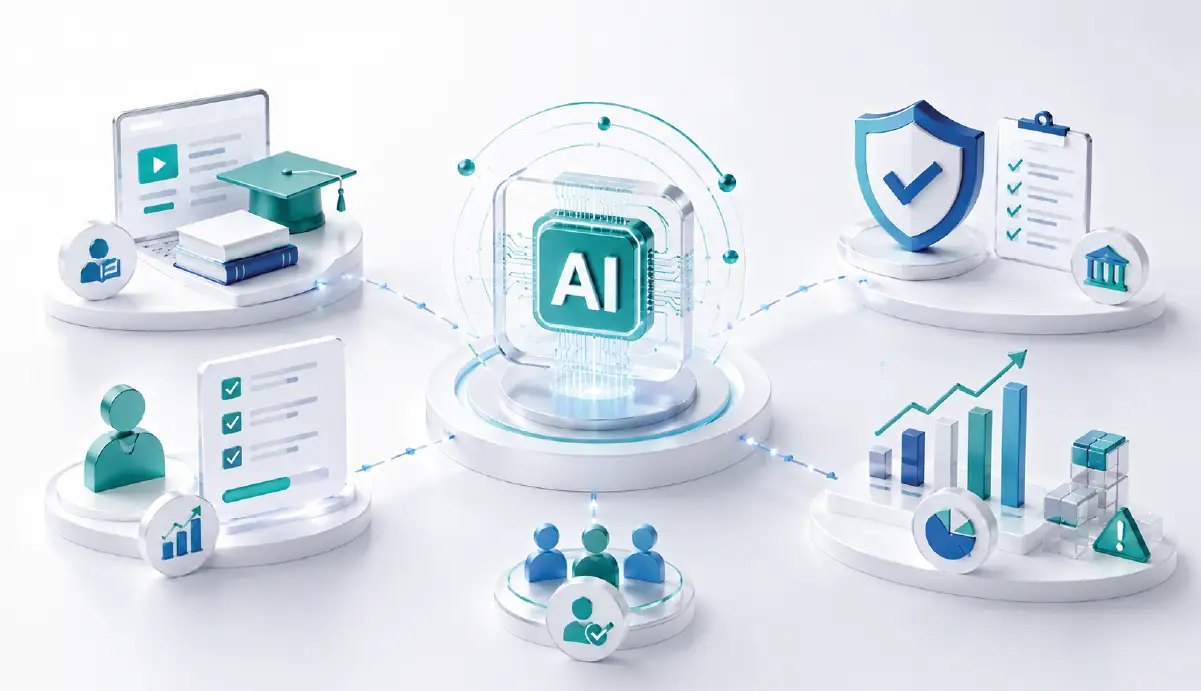
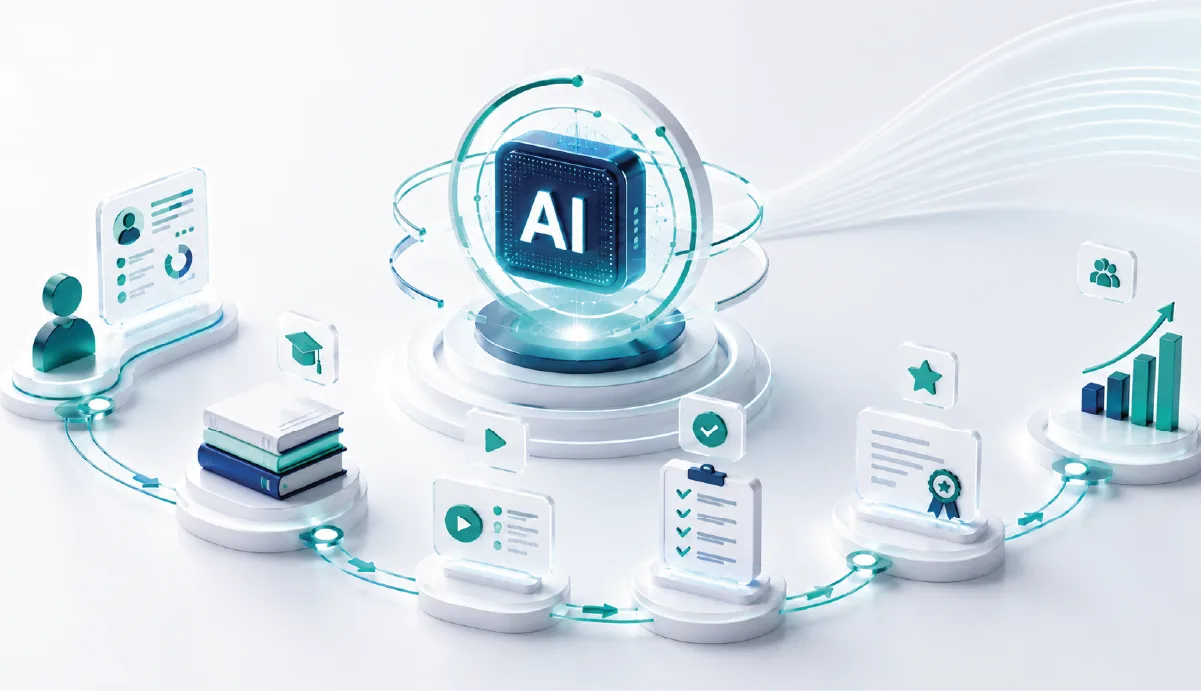
AscentPath.AI is built as an intelligent operating system for L&D teams, a platform to plan, coordinate, automate, and optimize enterprise training programs against actual business goals, not just to host content.
What Changes When Operations Are the Product, Not an Afterthought
- Plan and schedule without the spreadsheet: Multi-session programs across venues and trainers get mapped out in one place instead of stitched together across calendars, emails, and shared sheets.
- Workflows that trigger themselves: Booking confirmations, reminders, and calendar invites fire automatically the moment a session is created or a learner enrolls; no coordinator has to remember to send them.
- AI that predicts the constraint before it becomes a crisis: The platform’s AI-powered insights flag resource constraints, a trainer overbooked across regions, a venue nearing capacity, and a course with more demand than available sessions before they turn into a cancelled cohort.
- VoXgent, the conversational assistant, handles the inbox: Instead of a coordinator fielding “Can I reschedule?” and “Where’s my certificate?” messages all day, AscentPath.AI‘s VoXgent assistant handles direct learner inquiries and instant booking updates conversationally in real time.
- One dashboard, real business metrics: Unified analytics track learner engagement, completion rates, and business impact side by side, so the answer to “what did we get for this” is a number, not a guess.
The Numbers That Matter to the CFO
Organizations running enterprise training through AscentPath.AI reports 70% faster course creation, 60% higher content reusability, a 3x boost in learner engagement, and a 40% reduction in manual administration. Those aren’t learning-outcome vanity metrics; they’re operating-cost numbers a finance team recognizes immediately.
Why Every Stakeholder Gets a Different Win
L&D and operations teams get rid of manual scheduling and spreadsheet chaos. CLOs and talent leaders get a way to align training programs with measurable capability-building. Executive leaders get real-time visibility into resource optimization, budget efficiency, and training impact, the dashboard the CFO actually wants to see.
One Last Thing
Same budget meeting, a year later. The L&D manager pulls up a dashboard: zero scheduling conflicts this quarter, course creation time down by two-thirds, completion and engagement trending up, and a live view of where every training dollar went. “That’s what we got,” she says. The CFO asks if there’s room to expand the program.
Book your strategy session and see what your next budget meeting could look like.